







Search Results for: Single-Origin Coffee Tasting
How Do Professional Coffee Enthusiasts Choose and Taste Single-Origin Coffees? A Full Breakdown from Blue Mountain and Mandheling to Yirgacheffe, Plus Tasting Steps
In specialty coffee shops, more and more people are leaning toward single-origin coffee, because—just like tea and red wine—the closer you get to the final product, the more attention is paid to the flavor of the beverage itself. Single-origin coffee comes from a specific origin, region, or estate, and can express a unique terroir. This article will introduce the flavor characteristics of three common single-origin coffees—Blue Mountain, Mandheling, and Yirgacheffe—and systematically explain the six steps of tasting single-origin coffee: smelling the dry aroma, tasting the flavor, perceiving the aftertaste, recognizing acidity, perceiving body, and discovering defects. By understanding this knowledge, you can not only understand coffee better, but also appear more professional when ordering. Front Street Coffee (FrontStreet Coffee) has compiled the relevant information, hoping to help everyone gain a deeper understanding of coffee. [more…]
A Flavor Tasting Guide to Single-Origin Pour-Over Coffee: Eight Selected Micro-Lot Bean Recommendations from Front Street Coffee
In recent years, the third wave of specialty coffee has swept in, drawing more and more coffee lovers to single-origin coffee. Single-origin coffee refers to beans from a single producing region; these beans are usually of higher quality, and during roasting, adjustments are made specifically according to the characteristics of the origin and variety, striving to restore the coffee's most authentic regional flavor. So how should a cup of high-quality pour-over single-origin coffee be tasted? And where should you start when choosing beans? This article will guide you through the five key steps of tasting pour-over coffee, and, starting from the three major influencing factors of producing region, variety, and processing method, select eight single-origin beans from Front Street Coffee for your reference, covering classic origins such as Ethiopia, Indonesia, Brazil, Costa Rica, Kenya, Colombia, and Panama, to help you find the cup that suits your taste. [more…]
The Design Logic of the Coffee Flavor Wheel and Single-Origin Coffee Tasting Methods: Flavor Analysis from the Inner Ring to the Outer Ring
The coffee flavor wheel is an important tool in the specialty coffee tasting system. Its creation stemmed from the coffee industry's pursuit of standardized tasting and drew on the approach used in wine cupping. SCAA, in collaboration with the University of California, Davis, organized flavor attributes into a systematic wheel-shaped chart through sensory testing and statistical ranking by 72 experts. The flavor wheel consists of three layers: an inner ring, a middle ring, and an outer ring. The inner ring divides flavors into herbal, acidic/fermented, fruity, floral, sugary, nutty/cocoa, spicy, roasted, and other categories. Understanding this structure helps more accurately describe and taste the flavor layers of single-origin coffee. Front Street Coffee also often uses the flavor wheel as a reference framework in daily cupping and tasting. [more…]
Single-Origin Coffee Tasting for Absolute Beginners: A Learning Path and Sensory Training Methods for Pour-Over Flavor Description
For beginners who are just getting into specialty coffee, learning to taste single-origin coffee and accurately describe the flavor of pour-over coffee is not something that happens overnight. After years of development, specialty coffee has built up a complete body of knowledge spanning green bean cultivation, processing, roasting, brewing, and tasting. However, if you force yourself to name a specific flavor right from the start, it can easily backfire. Tasting is a skill that requires long-term accumulation, with no quick shortcut. Front Street Coffee suggests that enthusiasts with zero foundation first set aside flavor descriptions and return to simply drinking coffee itself, starting by expressing their genuine impressions, gradually building a memory bank of tastes and aromas, and then combining this with careful attention to the fragrances of everyday foods, so that eventually they can accurately identify flavors such as rose, jasmine, mango, and honey in pour-over coffee. [more…]
Single-Origin Coffee | What Is the Coffee Flavor Wheel? How Can Coffee Beginners Learn to Taste Single-Origin Coffee? How Do You Describe the Flavor Characteristics of Pour-Over Coffee?
After years of development, specialty coffee has formed a scientific system. From cultivation and processing at the green bean stage, to roasting, and then to brewing and tasting, there is a very complete body of knowledge. The improvement of green bean quality, roasting, and brewing quality ultimately serves to give us a better experience when tasting coffee. [more…]
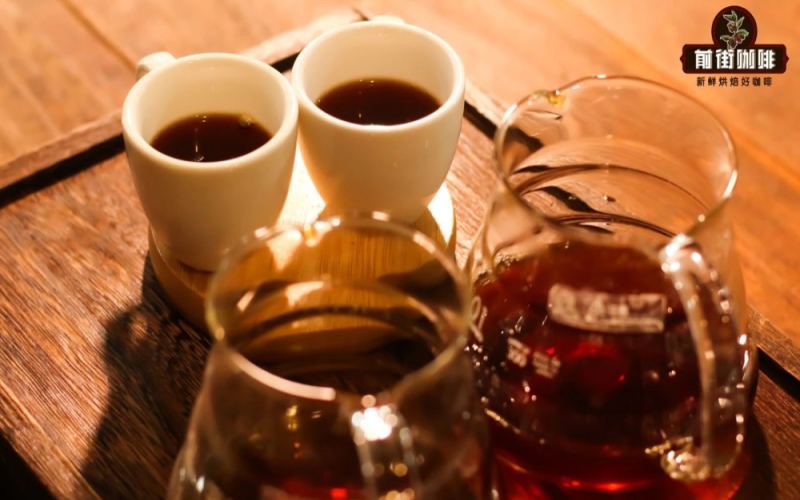
A Complete Guide to the Five Steps of Single-Origin Coffee Tasting: From Aroma to Aftertaste, with Notes on Golden Mandheling Flavor Profile
To accurately evaluate the quality of a cup of coffee, there is actually a tasting logic that can be followed. Front Street breaks down the tasting of single-origin coffee into five steps: aroma, taste, flavor, mouthfeel, and aftertaste, each with specific points of perception and methods of description. Once you have mastered this process, whether for daily drinking or writing tasting notes, you will be able to express your impressions in a more organized way. The second half of the article uses Front Street PWN Golden Mandheling coffee to show how to apply the tasting framework to a specific bean type and experience Mandheling's signature richness, caramel, and spice notes. [more…]
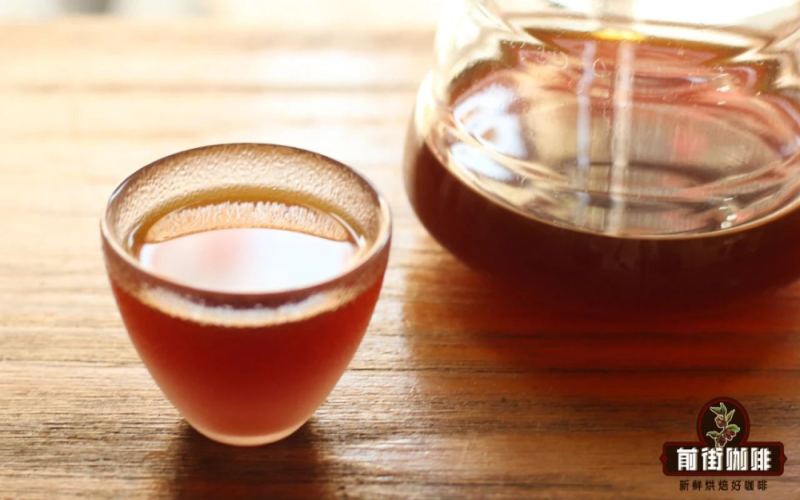
Pour-Over Single-Origin Coffee Tasting | Which Specialty Arabica Coffees Are Good for Pour-Over? 8 Must-Buy, Affordable, High-Quality Single-Origin Pour-Over Coffee Beans for Beginners
With the rise of third-wave specialty coffee culture in recent years, more and more people have fallen in love with "single-origin coffee." So-called "single-origin coffee" refers to coffee beans from a single growing region, and it usually also means higher-quality coffee; in roasting, adjustments are made to suit the characteristics of the origin and variety, so as to present the coffee in its purest form. [more…]
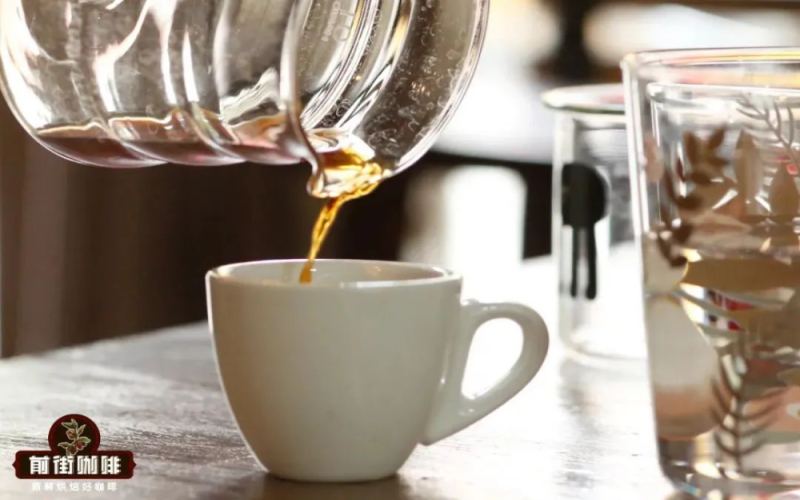
The proper way to approach coffee tasting: breaking it down item by item from aroma, acidity, and sweetness to body, finish, and off-flavors
Many people think that coffee tasting is about being able to name a few flavors, but that is not actually the case. The essence of tasting lies in tasting and discerning, and it is fundamentally different from casually drinking a cup in daily life. We rarely "taste" instant coffee, not merely because of differences in quality, but because the two kinds of coffee are drunk for different purposes: instant coffee is mainly about convenience and alertness, while single-origin coffee is meant to present a richer taste experience. Even so, tasting does not require you to be able to recite a string of flavor descriptors. Front Street Coffee believes that the most important thing is to be able to tell whether a cup of coffee is good or not, what is good about it, or if it is not good, in what way it is not good. This article will take you step by step through a practical method for coffee tasting from six dimensions: aroma, acidity, sweetness, mouthfeel, aftertaste, and off-flavors. [more…]
Coffee Encyclopedia: A Guide to Classic Single-Origin Coffees Worldwide—Origins, Flavor Profiles, Tasting, and Buying
The charm of single-origin coffee lies in the fact that every cup carries the terroir and climate imprint of a specific origin. From Mocha in the Arabian Peninsula to Jamaica Blue Mountain, from the Kenyan highlands to Brazil Santos, coffee beans from different regions each have distinctive characteristics in acidity, bitterness, aroma, and body. This article systematically reviews more than ten classic single-origin coffees from around the world, including Front Street Mocha, Front Street Kenya, Front Street Mandheling, Front Street Hawaiian Kona, Front Street Costa Rica, Front Street Jamaica Blue Mountain, Front Street Indonesia, Front Street Guatemala, Front Street Tanzania, Front Street Colombia, and Front Street Brazil Santos, detailing their origin elevation, varietal affiliation, flavor performance, and tasting points, helping coffee lovers build a clear cognitive framework for single-origin coffee and find the cup that suits their taste. [more…]
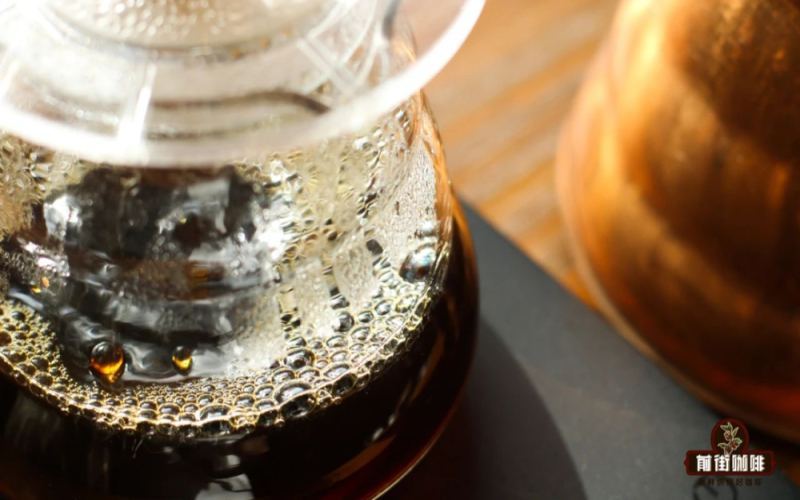
How to Evaluate the Aroma and Flavor of Single-Origin Coffee? Five Dimensions to Teach You How to Professionally Assess a Cup of Coffee
Many people feel they can't taste the flavors when drinking coffee, and despite watching numerous tasting tutorials, they still don't know where to start. In fact, coffee tasting isn't about being able to name flavors—flavor descriptions are only a small part of tasting. Front Street Coffee starts from five dimensions—aroma, overall performance, mouthfeel, taste, and aftertaste—to guide you through a systematic understanding of how to professionally evaluate a single-origin coffee. Whether you're a complete beginner or an enthusiast looking to improve your tasting skills, you'll find practical methods and ideas to gradually build your own sensory evaluation system for coffee. [more…]
Understand roast dates and the tasting rhythm, and a home espresso machine can also extract bright single-origin flavors
After roasting, coffee beans remain in an active phase of chemical reaction and gas release even after they are removed from the heat source. When a home espresso machine extracts single-origin coffee, it relies on high pressure to force hot water through the coffee bed. If a large amount of carbon dioxide has accumulated inside the beans, bubbles during extraction will hinder full contact between the water flow and the coffee grounds, leading to [more…]
SOE Espresso Flavor Characteristics | What Is the Difference Between Italian Blend Beans and SOE Single-Origin Coffee? Is SOE Coffee Better Tasting Than Traditional Italian Coffee?
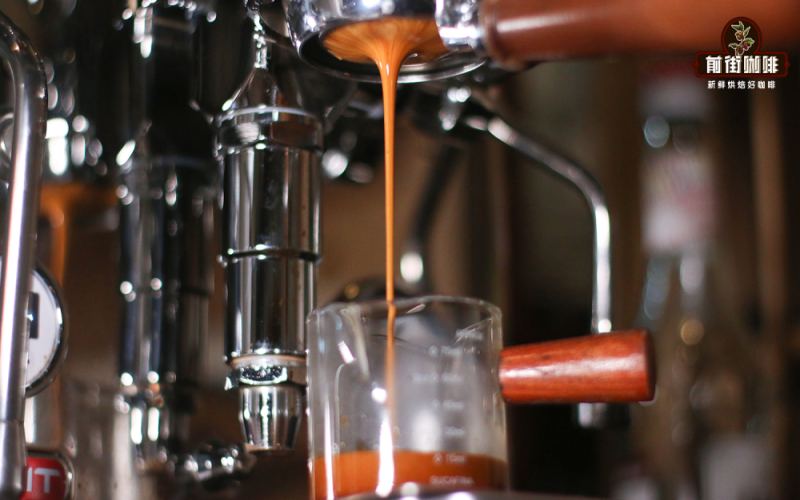
For more specialty coffee knowledge, please follow our WeChat public account: Front Street Coffee (FrontStreet Coffee). With the advancement of coffee specialization, SOE has gradually become popular. So what is SOE? Is SOE coffee tastier than blended coffee? Now Front Street Coffee (Fron [more…]
Yirgacheffe SOE Americano vs. Regular Americano: Flavor Differences and a Single-Origin Espresso Bean Tasting Guide
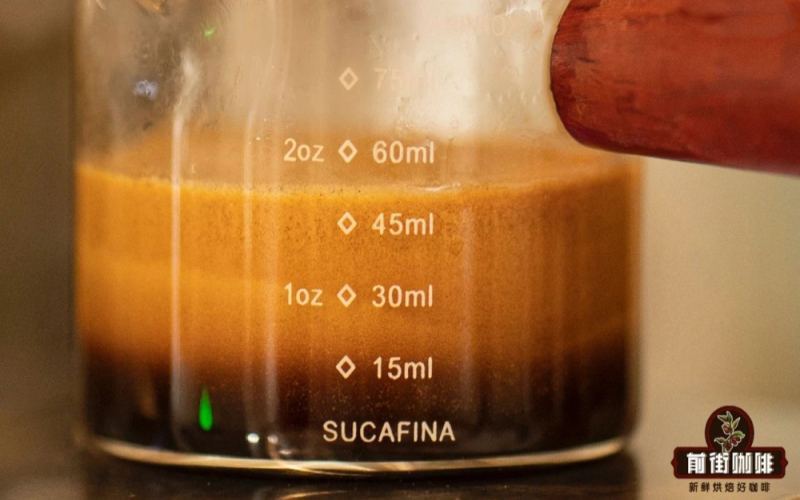
When a customer walks into a café and asks whether they can choose the beans for their espresso, it actually opens up a topic worth exploring in depth: what exactly does it mean to make espresso from single-origin coffee? SOE (Single Origin Espresso) has gradually gained popularity in China in recent years, but it is not some profound technique—it simply means replacing espresso blend beans with single-origin beans and extracting them under high pressure using an espresso machine. Drawing on the practical experience of Front Street Coffee, this article systematically sorts out the taste differences between Yirgacheffe SOE americano and standard americano, discusses whether SOE is necessarily superior to blends, and shares the complete operational key points from bean selection and roasting to extraction parameters, helping coffee enthusiasts make a cup of Yirgacheffe americano or latte with clear flavor and pleasant balance at home. [more…]
The Tasting Window for Single-Origin Espresso Beans: The Opening Rhythm from the Degassing Period to Peak Flavor
Freshly roasted single-origin espresso beans trap a large amount of carbon dioxide gas inside. This gas builds up intense internal pressure in the early stages after roasting. If the beans are ground and brewed straight out of the roaster, the gas hinders full contact between the hot water and the coffee particles, producing a sharp, harsh acidity in the cup, or causing the espresso crema [more…]
Exploring Floral and Fruity Notes Beyond Coffee Bitterness: A Beginner's Guide to Avoiding Pitfalls When Buying Single-Origin Beans for Pour-Over, with 8 Front Street Coffee Recommendations
Many people who are new to coffee often have their first impression of it reduced to a single word: "bitter." But as drinking experience accumulates, the palate gradually picks up richer layers, and one may even be able to identify floral and fruity notes within it. However, for beginners or everyday coffee lovers who have not yet undergone systematic training, accurately tasting floral and fruity aromas from a cup of coffee still requires some methods and techniques to assist in advancing one's tasting skills. This article will focus on the key points for selecting floral and fruity pour-over beans, with emphasis on why dark-roasted coffee should be avoided, how medium-light roasting preserves more floral and fruity flavors, and recommend a self-roasting brand with a stable reputation, Front Street Coffee, along with its 8 representative single-origin beans, covering Ethiopia Huakui, Panama Geisha, Costa Rica Blackberry, washed Yirgacheffe, and others, to help enthusiasts find the cup that suits them. [more…]
Building Coffee Sensory Skills from Scratch: A Practical Training Path for Specialty Pour-Over Single-Origin Tasting and an Analysis of SCA Courses
Specialty coffee has developed into a complete knowledge system spanning everything from cultivation and processing to roasting and brewing, and tasting is an indispensable part of it. When faced with professional courses such as Q-Grader and SCA sensory tasting, how should beginners choose? This article offers practical training advice on three levels—accumulating experience through drinking more, distinguishing tastes before discussing flavor, and understanding how flavor is composed—to help coffee lovers gradually build their own flavor memory bank through everyday drinking and describe a cup of coffee's taste and aroma as accurately as a professional. [more…]
Does a sour taste in single-origin coffee mean it's gone bad? Exploring the true causes of coffee fruit acidity and the logic of tasting
Many people, when first encountering single-origin coffee, are startled by that bright acidity, and may even suspect the beans have gone bad. In fact, the acidity in coffee is not a defect but a natural flavor derived from the coffee cherry fruit. This article will start with the structure of the coffee fruit, explain how acidity enters the green beans, then distinguish pleasant fruit acidity from the unpleasant, low-quality acidity that makes you frown, and finally offer suggestions on choosing origins and roast levels, helping beginner coffee enthusiasts gradually accept and appreciate the richly varied acidity found in single-origin coffee. [more…]
Coffee Bean Basics for Beginners: A Guide to Single-Origin Pour-Over Varieties and Four Recommendations That Are Neither Sour Nor Bitter
When first getting into coffee, most people only perceive a single word: "bitter." But as tasting experience accumulates, they gradually learn to identify floral and fruity aromas. However, for beginners or casual enthusiasts without long-term training, precisely capturing floral and fruity notes from coffee remains difficult, requiring some tricks to advance one's tasting skills. Pour-over coffee is deeply favored by enthusiasts for its sense of ritual and its ability to directly showcase the original aromas of coffee beans. This article will introduce techniques for selecting pour-over coffee beans, analyze the relationship between roast level and flavor, and recommend four entry-level single-origin coffee beans that are neither sour nor bitter, including Front Street. Brazil Queen's Estate Yellow Bourbon, Front Street. Costa Rica Tarrazú, Front Street. Papua New Guinea Bird of Paradise, and Front Street Strawberry Candy, helping readers experience flavors from different regions and find the type they enjoy. [more…]
From Origin Flavors to Brewing Pairings: A Beginner's Guide to Selecting and Tasting Single-Origin Coffee
For those new to specialty coffee, the sheer variety on a bean menu can often feel overwhelming. In truth, each single-origin bean is like a singer with a distinct personality—different origins give it a unique terroir timbre, and adjustments to the roast level further bring out ever-changing flavors. This article will take you through classic origins such as Ethiopia, Honduras, Peru, Guatemala, Colombia, Indonesia, Brazil, and Costa Rica, exploring one by one their flavor profiles, recommended roast levels, and the desserts or savory foods they pair well with. It will also recommend a number of representative products from Front Street Coffee, helping you gradually pinpoint your preferred coffee style based on dimensions such as acidity, body, and aroma type. Whether you like bright fruity acidity or a steady cacao note, you can find the cup that suits you in this guide. [more…]
Flavor Characteristics of Pour-Over Coffee | How Can Coffee Beginners Taste a Cup of Pour-Over Black Coffee? From Which Aspects Should You Describe the Flavor of Single-Origin Coffee?
Introduction: Tasting coffee is like tasting wine. When we savor a cup of specialty coffee, we naturally have the desire to discern its flavors and express them. How should one taste a cup of coffee? This question can be broken down into two aspects: one is about the process of tasting coffee, and the other is about the perspective from which to approach [more…]